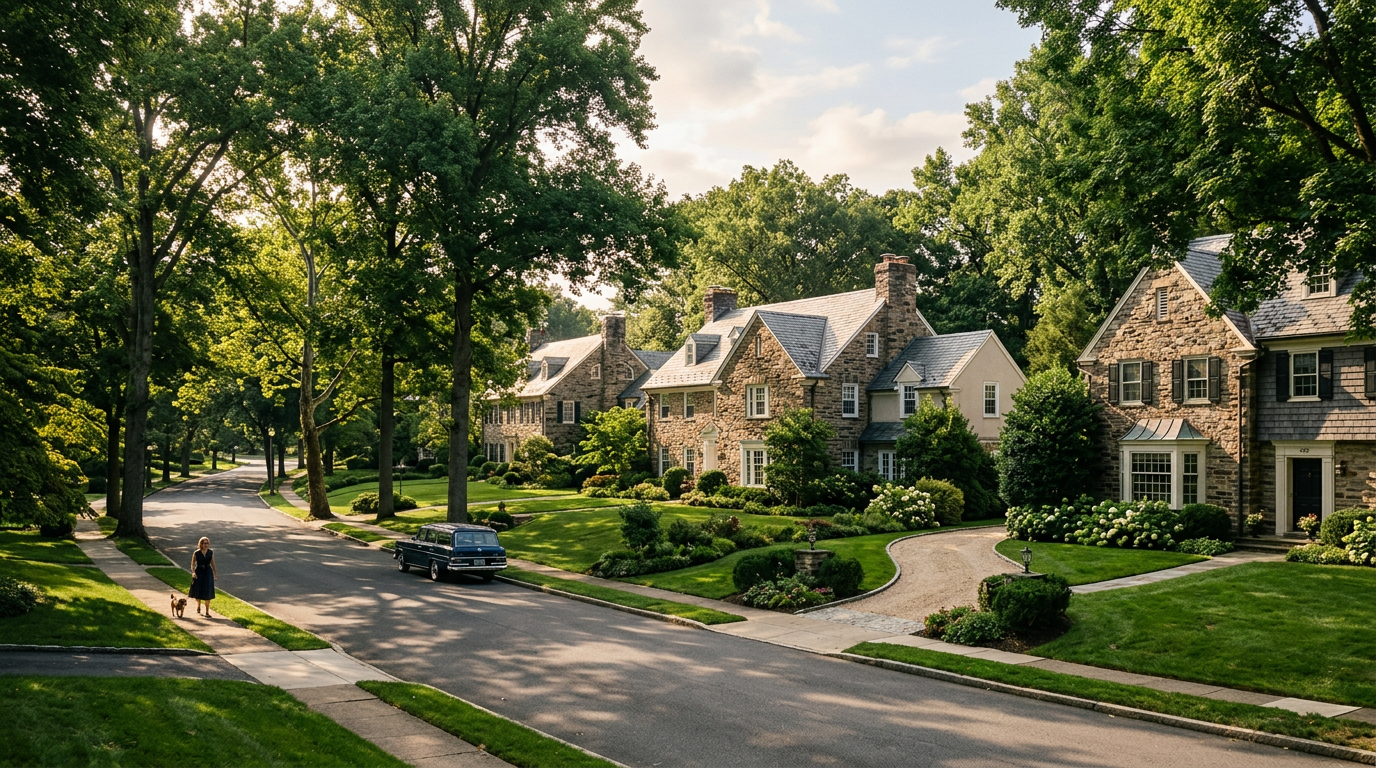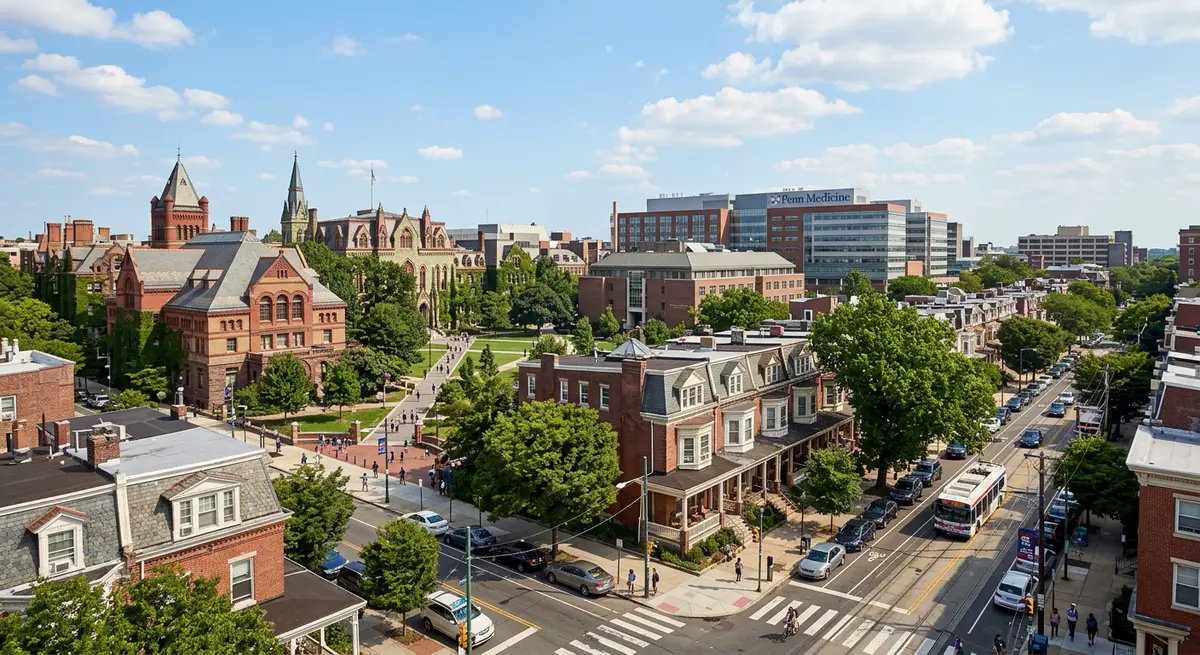
West Philadelphia’s rental market is experiencing a surge in demand as the University of Pennsylvania and Drexel University continue expanding their campuses and academic footprints, creating ripple effects through the surrounding residential neighborhoods.
The Expansion Effect
Penn’s Schuylkill River Yards development and Drexel’s Innovation Neighborhood are bringing thousands of new students, faculty, and staff to the University City area. The combined projects are expected to add approximately 12,000 new academic and research jobs over the next five years, with many of those workers seeking housing within walking or transit distance of campus.
The impact on the rental market is already visible:
- Median rent in University City proper: $2,100/month (up 7.5% year-over-year)
- Median rent in Powelton Village: $1,800/month (up 6.2% YoY)
- Median rent in Mantua: $1,450/month (up 8.8% YoY)
- Median rent in Walnut Hill: $1,380/month (up 7.1% YoY)
The highest growth rates are in the neighborhoods just beyond University City’s core — Mantua, Walnut Hill, and Spruce Hill — where renters priced out of University City are moving.
Single-Family Rentals in the Mix
Single-family rentals are a significant part of West Philadelphia’s housing stock, particularly in the neighborhoods west of 40th Street. Many of these homes are large Victorian and twin-style houses that can accommodate group rentals — a common arrangement for graduate students and young professionals.
For SFR operators, West Philadelphia offers several advantages:
- Strong demand: University-driven demand is consistent and predictable
- Higher density potential: Large homes can be rented by-the-room to graduate students, increasing per-square-foot yield
- Transit access: The Market-Frankford Line and multiple trolley routes provide easy access to Center City
- Historic character: The housing stock has architectural appeal that differentiates from new apartment construction
However, there are challenges:
- Seasonal vacancy: Student-driven demand creates August-to-August leasing cycles with potential summer vacancies
- Higher turnover: Student and early-career renters move more frequently than family renters
- Property wear: Higher occupancy density and younger tenants can mean more maintenance
- Regulatory risk: Philadelphia’s rental license and lead dust testing requirements add compliance costs
Neighborhoods to Watch
Mantua
Mantua is the neighborhood closest to the expansion zone that still has relatively affordable acquisition prices. Single-family homes can be purchased for $180,000-$250,000, and rents of $1,400-$1,700 per month produce cap rates of 7-8%. The neighborhood is benefiting from spillover demand from University City and from city investment in the Mantua Greenway project.
Walnut Hill and Spruce Hill
These neighborhoods, west of Penn’s campus, have long been popular with graduate students and faculty. Properties here are more expensive ($300,000-$450,000) but offer stable tenancies and lower turnover. Cap rates are lower (5-6%) but the trade-off is more predictable cash flow.
Cedar Park
Cedar Park, centered around the 50th and Baltimore commercial corridor, is an emerging market with a growing restaurant and cafe scene. Single-family homes are still relatively affordable ($250,000-$350,000) and the neighborhood is attracting young professionals who work at Penn or Drexel but want more space than University City apartments offer.
Strategic Considerations
For SFR operators looking at West Philadelphia, the key is matching the property and rental strategy to the target tenant profile:
- Graduate student group houses: Buy larger properties (4-6 bedrooms) near campus, rent by the room, and manage the higher turnover
- Faculty and staff rentals: Buy well-maintained 2-3 bedroom homes in Spruce Hill or Walnut Hill, rent to stable professional tenants
- Young professional rentals: Buy in emerging areas like Cedar Park, offer modern amenities and flexible lease terms
The University City expansion is a multi-year driver of rental demand that shows no sign of slowing. Operators who position themselves now will benefit from the sustained demand as the expansion continues through 2030.