Home prices across Pennsylvania, New Jersey, and Delaware are still rising this fall, but more slowly than a year ago. Inventory is up across the three states, homes are taking longer to sell, and price cuts are becoming more common.
The shift comes as borrowing costs rise. The average 30-year fixed mortgage rate reached 7.28% in Freddie Mac’s survey released October 2, up a full percentage point from a year earlier. The result is a regional market where prices have not fallen, but buyers have more choices and leverage.
Prices Are Still Rising as Supply Grows
| State | Median sale price (August 2026) | Change vs. 2025 | Homes for sale | Change vs. 2025 |
|---|---|---|---|---|
| New Jersey | $587,553 | +2.2% | 32,750 | +8.8% |
| Delaware | $401,488 | +3.2% | 5,591 | +8.8% |
| Pennsylvania | $327,636 | +4.0% | 43,881 | +7.6% |
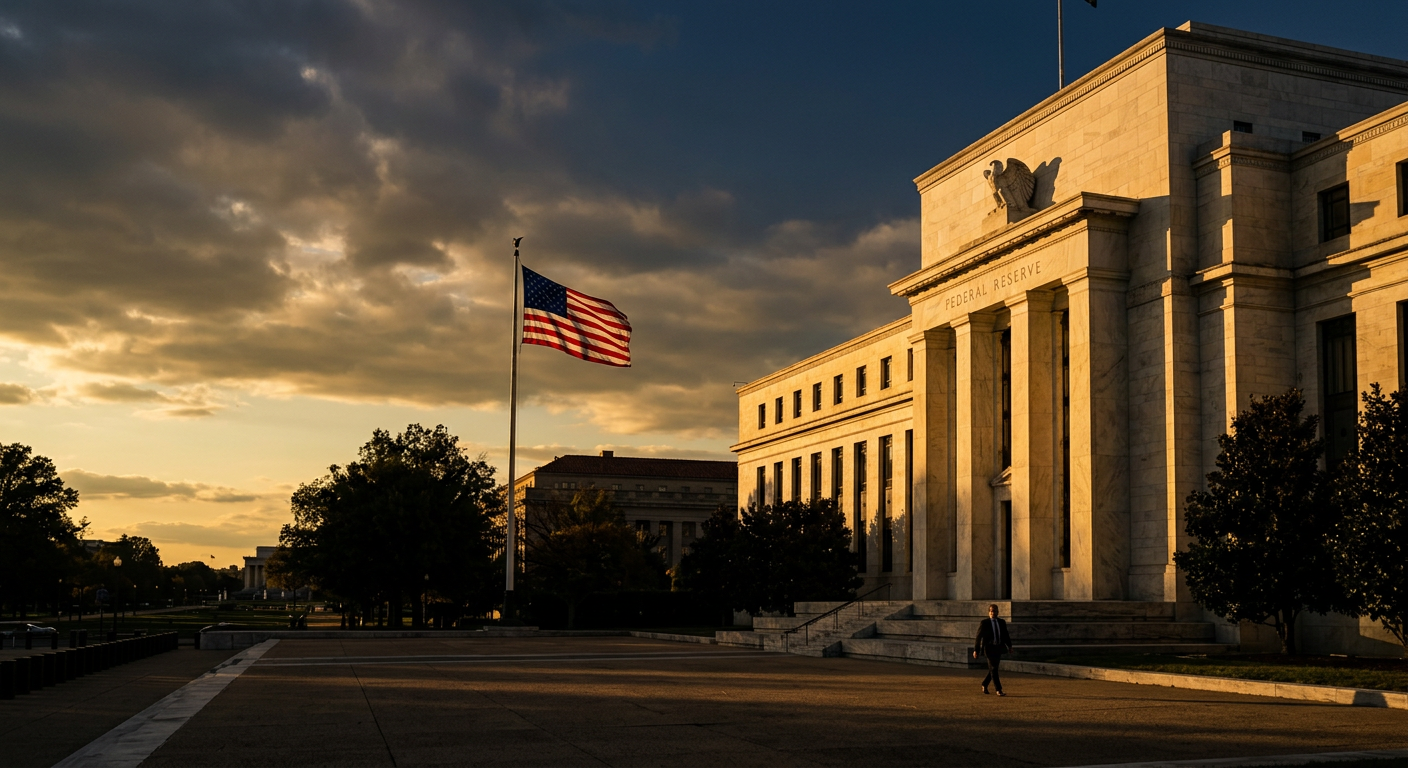
The Federal Reserve’s mid-September rate increase added to the pressure. Freddie Mac’s 30-year average rose to 7.3% at its highest point of the past year, compared with a 52-week low of 5.98%.
For a buyer financing a $400,000 home with 20% down, moving from roughly 6.3% to 7.3% adds about $200 to the monthly principal and interest payment. That difference matters most in the tri-state’s more affordable markets, where first-time buyers are already stretched.
Sales volume is flat to slightly higher in Pennsylvania and New Jersey and down in Delaware. Listings, however, are increasing faster than buyers are absorbing them, which is why inventory is rising in every state.
Philadelphia: Steady Statewide, Stalled in the City
Pennsylvania posted the strongest price gains of the three states, with a statewide median sale price of $327,636, up 4.0% from a year earlier. Sales rose 2.6%, and the typical home went under contract in 37 days. About one in three homes still sold above asking.
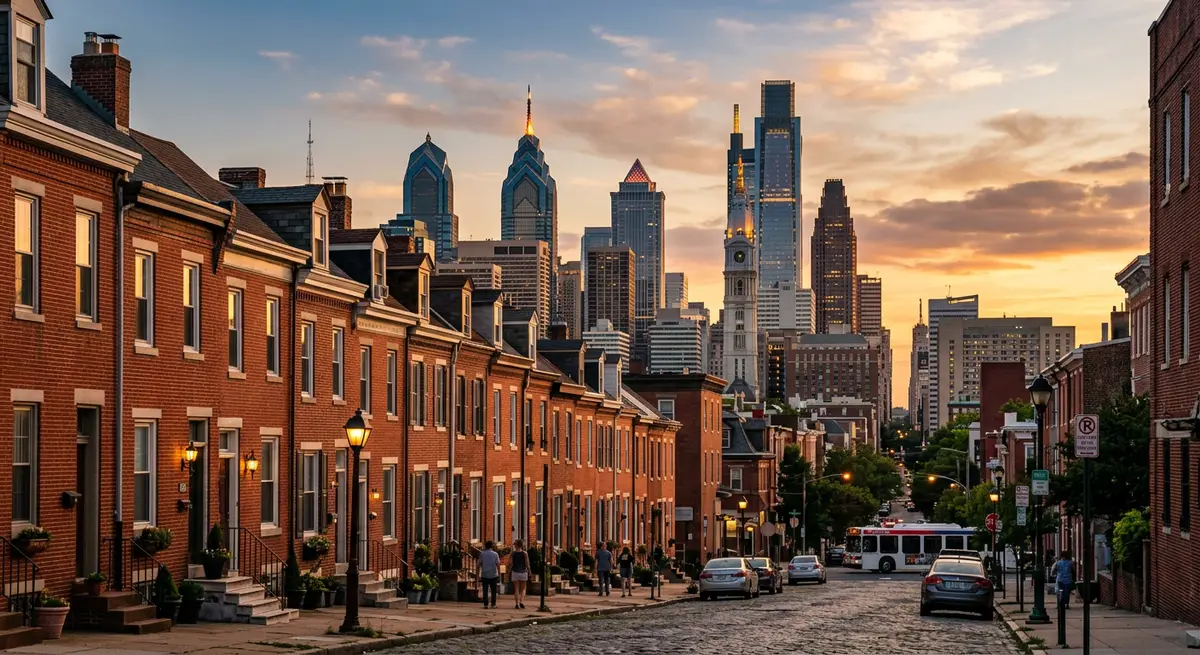
Philadelphia is a different story. City home sales fell 39% year over year in the second quarter, reaching their lowest spring level since 2014. For-sale inventory reached its highest point since late 2022, and homes took an average of 43.5 days to sell, the most since 2016. Quality-adjusted prices were up just 2.7% over the year, below the city’s long-run average.
Across the metro area, the Philadelphia-Camden-Wilmington area recorded a 1.3% median price decline in August to $374,900, while active listings jumped 13.3%. Outside the city, only one in six listings had a price cut.
Renters, by contrast, are absorbing units quickly. Philadelphia’s third-quarter rental absorption reached a post-pandemic high, with 3,200 units leased and vacancy tightening to 4.1%. The market is showing stronger demand for rentals even as home sales slow.
New Jersey Remains the Most Competitive
New Jersey remains the priciest and most competitive of the three states. August figures put the median sale price at $587,553, up 2.2%, with 48% of homes selling above list price. Homes sold 3.8% more often than a year earlier and went under contract in 43 days.
The state’s Realtors group reported year-to-date closed sales down 1.5%, with a single-family median of $610,000. Inventory rose 5.9% to 21,637 homes, homes took 40 days to sell, and buyers paid 101.5% of list price on average.
The north remains the hot spot. Bergen County’s single-family median reached $949,500 in July, up 8.5%, while homes sold in an average of 10.46 days. The higher-end market around North Jersey continues to produce some of the largest swings.
Delaware Is Cooling the Most
Delaware is cooling more clearly. The August median sale price reached $401,488, up 3.2%, but sales fell 1.8% and the typical home took 57 days to go under contract, nine days longer than a year earlier.
Buyers have gained leverage. Nearly one in five listings had a price cut, homes sold for 98.5% of asking on average, and fewer than a quarter sold above list. Inventory rose 8.8% to 5,591 homes, about four months of supply.
Wilmington led the state with 6.9% price growth, followed by Dover at 5.3%. Suburbs in New Castle County, including Claymont and Elsmere, remain among the most competitive areas near Philadelphia. With a statewide median about $186,000 below New Jersey’s, northern Delaware remains a lower-cost option within commuting distance of the city.
What to Watch This Fall
The tri-state market is shifting toward balance rather than a downturn. Prices are still rising, but more listings, longer selling times, and more price cuts point to a slower winter.
- Buyers: More motivated sellers are willing to negotiate, especially in Delaware and in Philadelphia’s city market. Higher rates offset some of that advantage, so buyers should look for rate relief before stretching their budgets.
- Sellers: Pricing matters more than it did a year ago. Homes that miss the market are more likely to need a cut, particularly outside North Jersey’s strongest suburbs.
- Landlords and investors: Rental demand is the bright spot. When buyers get harder to reach, more households keep renting, supporting occupancy and rents across the region.
The biggest wildcard is the Federal Reserve. Another rate increase could push mortgages higher, while any easing in inflation could bring rates and buyers back more quickly.