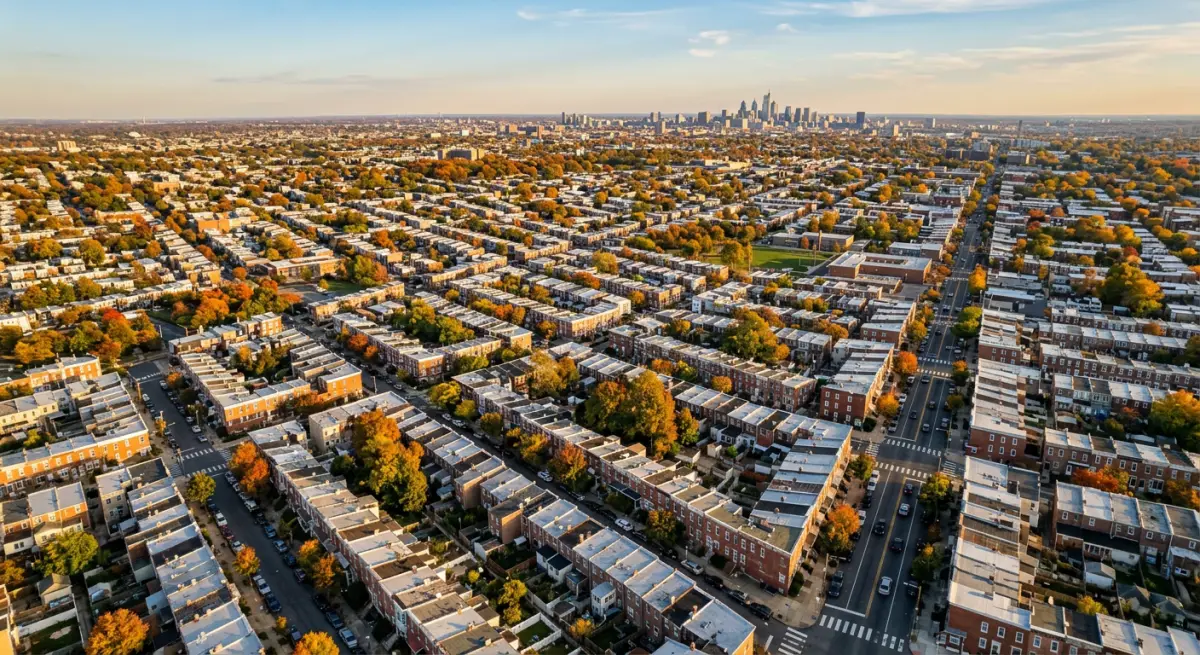
Renters in Bustleton and East Germantown are increasingly cost-burdened, according to new data from the Philadelphia Federal Reserve’s neighborhood housing affordability tracker. The findings highlight a growing challenge for tenants in two of Northeast Philadelphia’s most established rental markets.
The Data
The Philadelphia Fed’s analysis, covering the period from January through June 2026, found that:
- 52% of renters in Bustleton spend more than 30% of their household income on rent and utilities, the threshold for being considered cost-burdened
- 48% of renters in East Germantown exceed the same threshold
- The median rent in Bustleton rose to $1,650 per month, up 5.8% year-over-year
- The median rent in East Germantown rose to $1,420 per month, up 4.9% year-over-year
- Median household income in both neighborhoods grew by only 2.1% over the same period
The gap between rent growth and wage growth is the core issue. When housing costs rise faster than incomes, a growing share of households cross the 30% cost-burden threshold, leaving less money for food, transportation, healthcare, and savings.
Why Bustleton and East Germantown
Both neighborhoods have seen increased demand from renters displaced from more expensive areas of the city. Bustleton, with its strong transit access via the Roosevelt Boulevard corridor and relatively affordable single-family homes, has attracted families looking for suburban-style living at city prices.
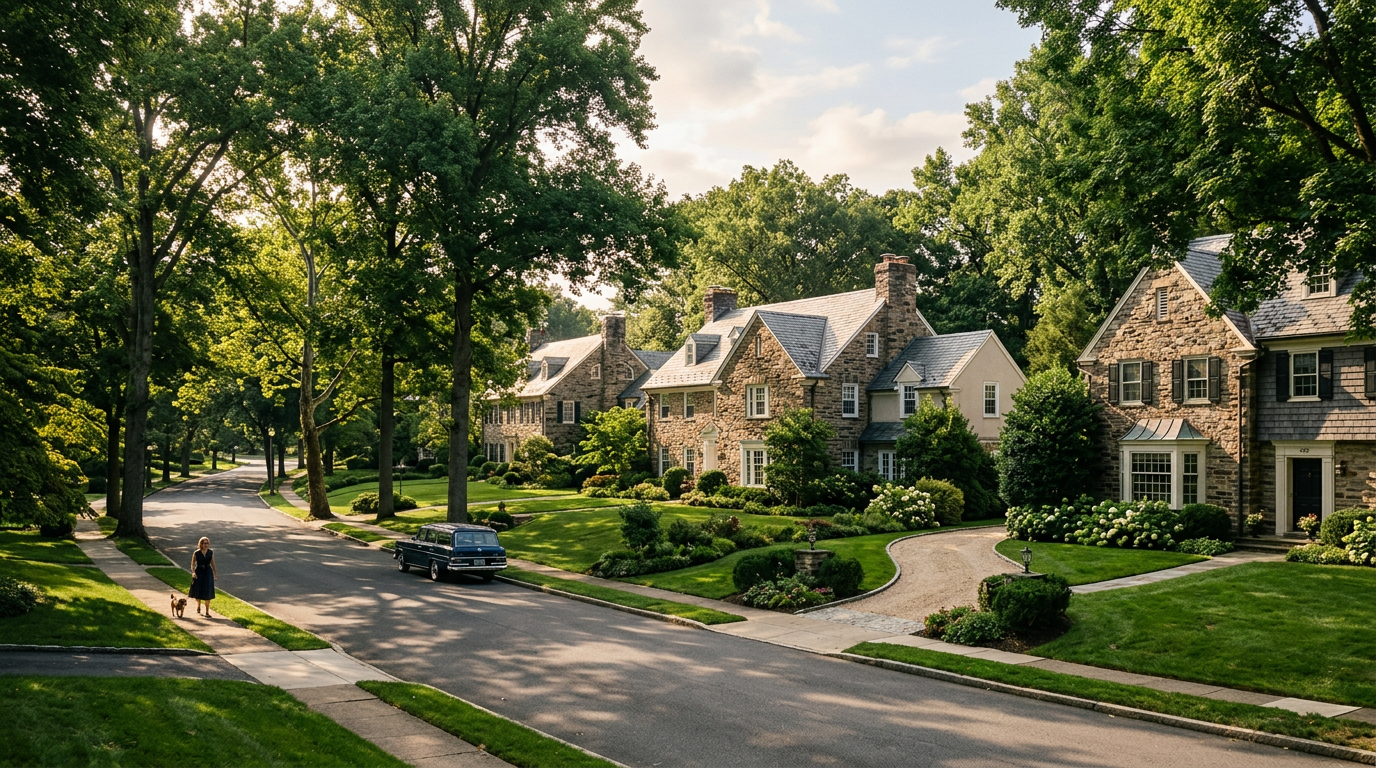
East Germantown, benefiting from spillover demand from Mount Airy and Chestnut Hill, has seen investor activity increase as buyers seek properties that can be converted to rentals. The neighborhood’s historic housing stock and tree-lined streets make it attractive to renters, but the increased competition has pushed rents upward.
The Single-Family Rental Factor
Single-family rentals make up a significant portion of the rental stock in both neighborhoods. In Bustleton, approximately 60% of rental units are single-family homes, and in East Germantown, the figure is closer to 55%. This means SFR operators have a direct impact on affordability in these communities.
For SFR operators, the cost-burden data raises important questions about pricing strategy:
- Rent increases: Pushing rents at market rates may be economically optimal for individual properties but contributes to community-level affordability stress
- Tenant retention: Retaining tenants at modest increases reduces turnover costs and helps stabilize the community
- Long-term sustainability: Neighborhoods where renters are severely cost-burdened tend to see higher eviction rates, higher turnover, and eventually declining property values
What’s Being Done
Several initiatives are targeting housing affordability in Northeast Philadelphia:
- The Philadelphia Housing Development Corporation has expanded its homeowner repair program, which helps long-time residents stay in their homes rather than selling to investors
- Council members in the districts covering Bustleton and East Germantown have proposed tax abatement programs for landlords who keep rents below market for income-qualified tenants
- Community development corporations in both neighborhoods are exploring community land trust models to create permanently affordable rental units
Outlook
Without meaningful income growth or new affordable supply, the cost burden in Bustleton and East Germantown is likely to worsen. For SFR operators, the data suggests a balanced approach: rent increases should be moderate, tenant retention should be prioritized, and operators should be aware of the community impact of their pricing decisions.