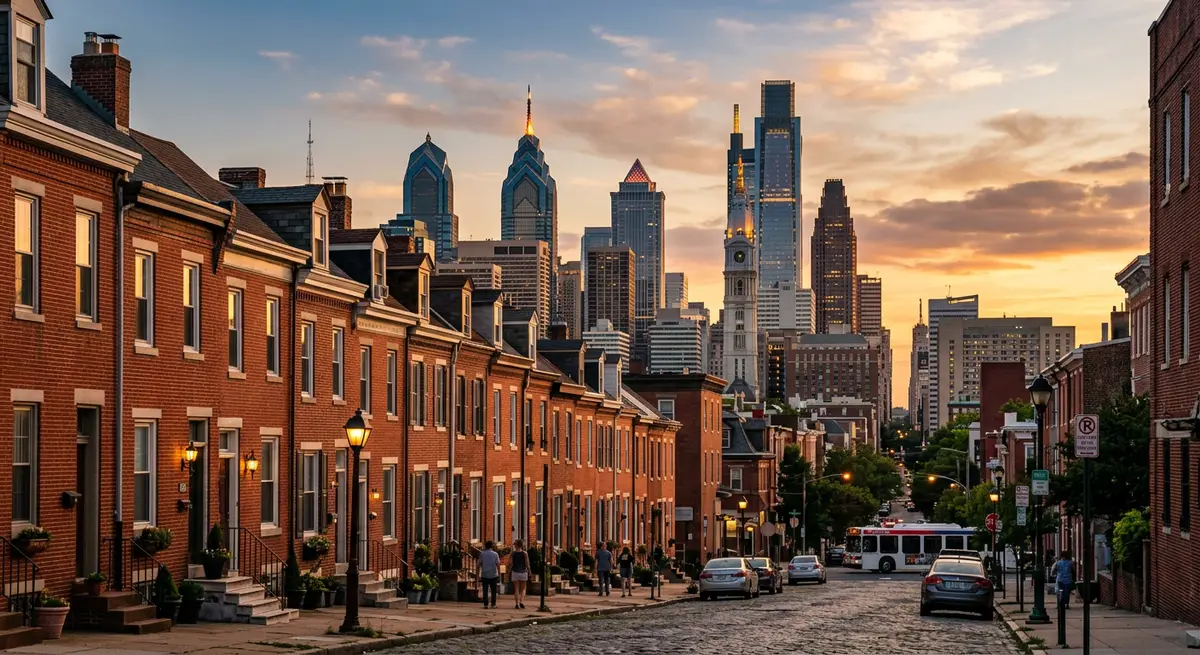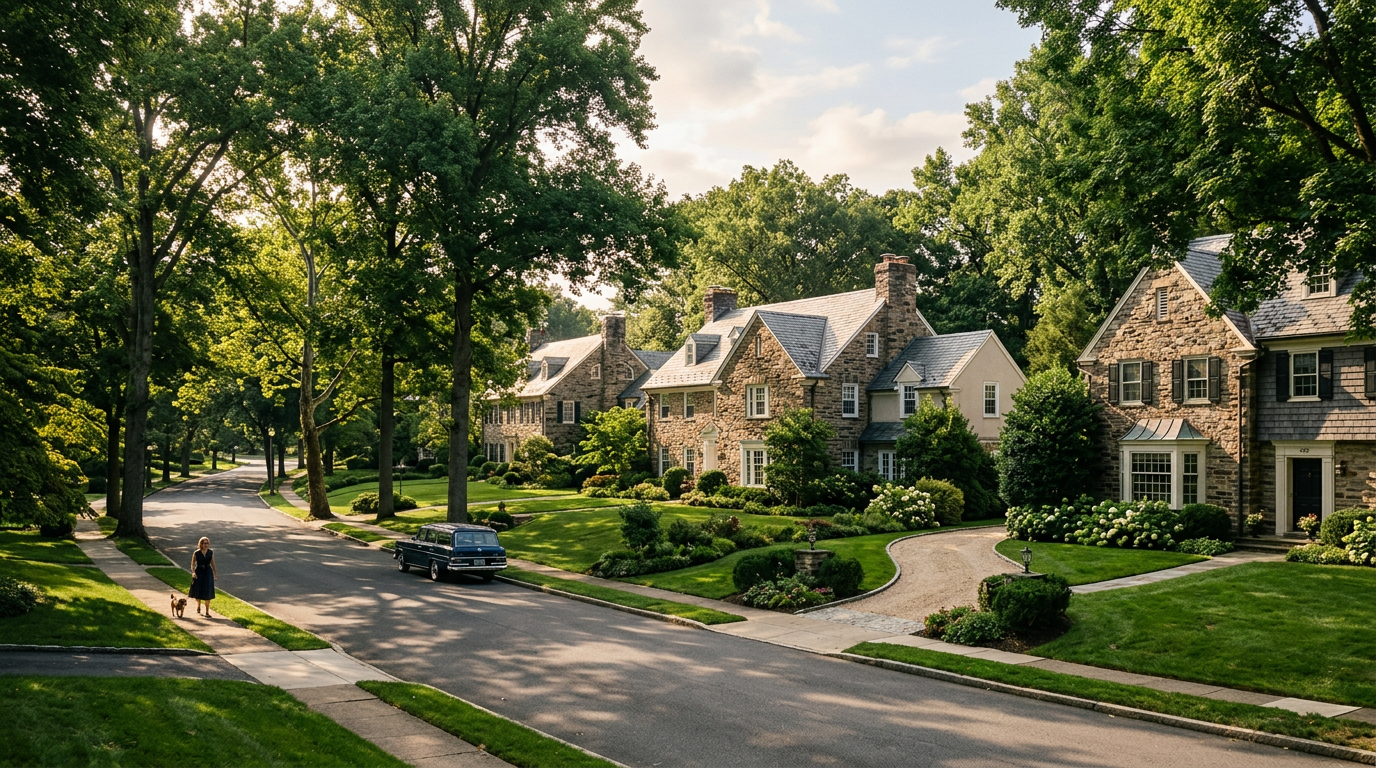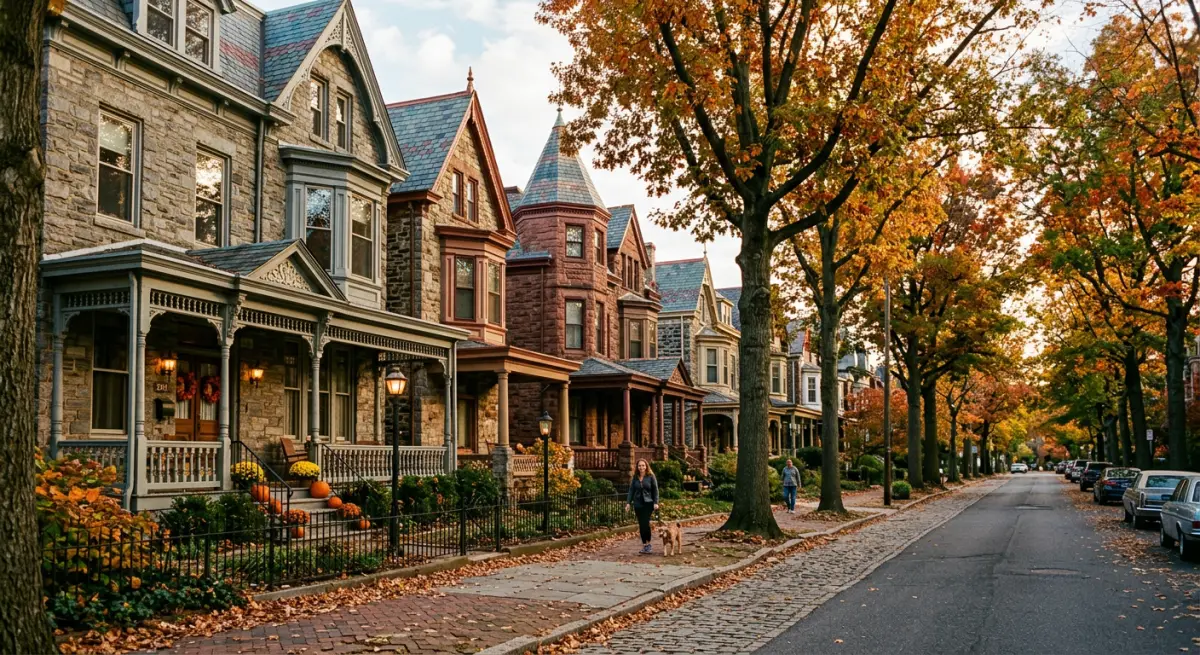
Germantown is experiencing a housing market revival that is reshaping one of Philadelphia’s most historically significant neighborhoods, bringing both opportunity and concern.
The Revival in Numbers
Germantown’s housing market data for 2026 shows a neighborhood in transition:
- Median sale price: $195,000 (up 11% year-over-year)
- Median rent: $1,300/month (up 6.5% YoY)
- Active listings: 145 (up 8% YoY)
- Median days on market: 25 days (down from 35 days a year ago)
- Investor share of purchases: 24% (up from 16%)
The numbers tell a story of a neighborhood heating up. Sale prices are rising faster than the city average, days on market are falling, and investors are taking notice.
What’s Driving the Revival
Historic Housing Stock
Germantown has some of the most architecturally significant housing stock in Philadelphia, including stone Victorian homes, Federal-style rowhouses, and early 20th-century twins. These properties offer character and space that cannot be replicated in new construction, and they are available at a fraction of the cost of similar homes in Mount Airy or Chestnut Hill.
Transit Access
Germantown is served by three regional rail stations (Germantown, Wayne Junction, and Tulpehocken) and multiple bus routes, providing direct access to Center City in 25-30 minutes. The recent improvements to Wayne Junction as a transit hub have made the southern end of Germantown particularly attractive to commuters.
Relative Affordability
With a median sale price of $195,000, Germantown remains one of the most affordable neighborhoods in Philadelphia with historic housing stock and transit access. Buyers and renters who are priced out of Mount Airy, Chestnut Hill, and West Oak Lane are increasingly looking to Germantown as an alternative.
Commercial Corridor Investment
The Germantown Avenue and Chelten Avenue commercial corridors are seeing new investment, with several new restaurants, cafes, and retail businesses opening in the past year. The city’s Rebuilding Community Infrastructure program has funded streetscape improvements along Germantown Avenue.
The Single-Family Rental Opportunity
For SFR operators, Germantown offers a compelling proposition:
- Acquisition prices: $150,000-$250,000 for single-family homes
- Rents: $1,200-$1,600 per month depending on size and condition
- Cap rates: 7.5-9.0%
- Value-add potential: Many historic homes need updating, creating opportunities to buy below market, renovate, and increase rents
The value-add strategy is particularly attractive in Germantown. An investor can purchase a $180,000 property, invest $30,000-$40,000 in renovations, and increase the rent from $1,100 to $1,500 per month. The total investment of $210,000-$220,000 with $1,500/month rent produces a gross yield of 8.2% and a cap rate of approximately 6.5% after expenses — well above what’s achievable in most Philadelphia neighborhoods.
The Displacement Concern
The revival is not universally welcomed. Long-time Germantown residents, particularly in the lower-income areas of the neighborhood, are concerned about displacement. Rising property values lead to rising property taxes, and rising rents can push out tenants who have lived in the neighborhood for decades.
Community groups are advocating for:
- Inclusionary zoning requirements for new development
- Property tax circuit breakers for long-time homeowners
- Community land trusts to create permanently affordable housing
- Right of first refusal for tenants when properties are sold
SFR operators should be aware of these dynamics and consider how their investment strategy affects the community. Operators who work with existing tenants, make fair renewal offers, and invest in property improvements without displacing residents will face less community opposition and build better long-term relationships.
Outlook
Germantown’s revival is in its early stages and is likely to continue for several years. The neighborhood’s fundamentals — historic housing, transit access, and affordability — are durable. For SFR operators, the window to acquire at attractive prices is open now but may not remain open indefinitely as more investors discover the market.