Tenant turnover is the single largest controllable expense in single-family rental property management. Every vacancy costs thousands in lost rent, marketing, make-ready repairs, and leasing fees. Reducing turnover by even a few months per tenancy can dramatically improve net operating income.
1. Respond to Maintenance Requests Quickly
Speed of maintenance response is the number one factor in tenant satisfaction. Tenants who wait days for a response to a maintenance request are far more likely to move at lease end. Aim for a 24-hour response time on all non-emergency requests and same-day response for emergencies.
Consider implementing an online maintenance portal where tenants can submit requests and track progress. Transparency reduces frustration and builds trust.
2. Offer Multi-Year Lease Terms
Most SFR leases default to 12 months, but offering 18- or 24-month lease terms can lock in good tenants and reduce turnover frequency. Consider offering a small rent discount — perhaps $25-50 per month — as an incentive for longer commitments.
3. Make Proactive Improvements
Don’t wait for tenants to complain. Proactively replacing aging appliances, upgrading to smart thermostats, or adding a ceiling fan shows tenants you care about their comfort. These improvements also increase the property’s value and rental potential.
4. Build a Relationship, Not Just a Transaction
Tenants who feel personally valued are less likely to leave. Simple gestures matter:
- A handwritten welcome card at move-in
- A small holiday gift (gift card, potted plant)
- A check-in call at the six-month mark
- Remembering details about their family or situation
5. Price Renewals Fairly
Aggressive rent increases at renewal are the fastest way to lose a good tenant. Market research shows that the cost of turnover typically exceeds the additional rent from a large increase. A modest increase — in line with inflation — keeps tenants while still growing revenue.
If the market supports a larger increase, consider phasing it: a smaller increase now with a commitment to hold steady, or a graduated increase over the next two renewal cycles.
6. Maintain Curb Appeal
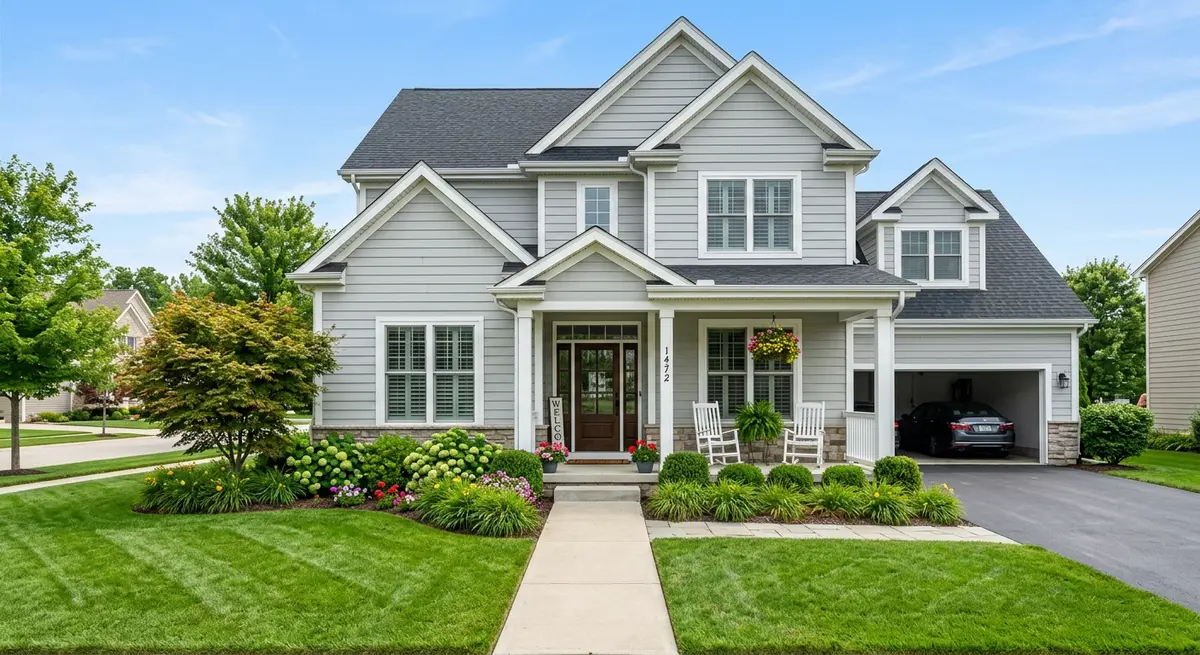
The exterior of the property is what the tenant sees every day. A well-maintained lawn, clean gutters, functioning exterior lights, and a fresh-looking front door all contribute to a sense of pride in the home. Tenants who are proud of where they live stay longer.
Include lawn care in the rent where feasible — it ensures consistency and removes a common friction point.
7. Make Move-Out Frictionless
When a tenant does decide to leave, make the process smooth. A positive move-out experience leads to positive reviews and referrals, which reduce marketing costs and time-to-fill for the next tenancy. Provide a clear move-out checklist, conduct a joint walkthrough, and return security deposits promptly.
The Bottom Line
Every strategy here shares a common theme: treating tenants as valued customers rather than transactions. In a competitive rental market, the property managers who retain tenants are the ones who earn trust through consistent, responsive, and respectful service.
