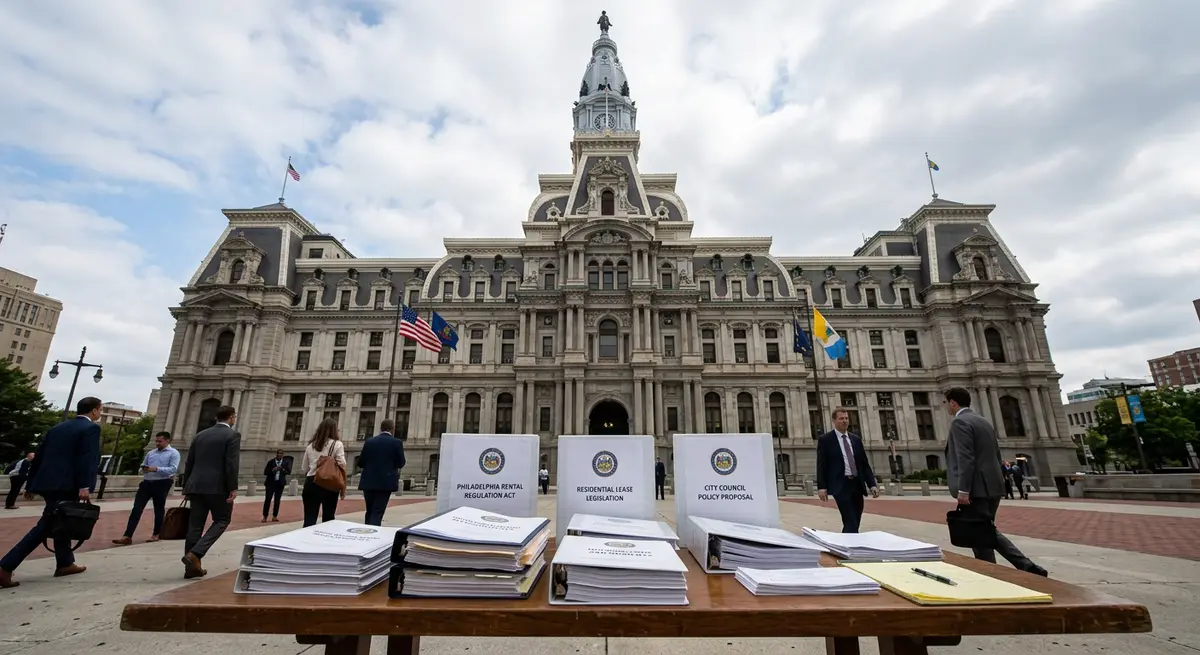
State and local governments across the country have been unusually active on rental regulation in 2026, with several jurisdictions enacting measures that directly impact single-family rental operators.
Rent Stabilization Measures
Several states and cities have moved toward some form of rent stabilization:
- Colorado enacted a statewide rent increase cap of 7% annually plus inflation, following a similar Oregon model
- Minneapolis implemented a 3% annual rent increase cap for properties built before 2004
- New Jersey expanded its existing rent stabilization framework to cover additional municipalities
For SFR operators, these measures typically include exemptions for new construction (often 15 years) and single-family homes that are not owned by institutional investors. However, the definition of “institutional investor” varies and is tightening in several jurisdictions.
Eviction Procedure Changes
Several states updated eviction procedures in ways that lengthen timelines and add requirements:
- Washington state now requires a 60-day notice for lease non-renewal, up from 30 days
- Oregon mandates a 90-day notice for no-cause evictions
- California expanded just-cause eviction protections to cover more property types
- New York City added additional documentation requirements for owner-use evictions
SFR operators should review their lease templates and notice procedures to ensure compliance with these updated requirements.
Source-of-Income Protections
Source-of-income discrimination bans — which prevent landlords from refusing tenants based on their use of housing vouchers — were enacted or expanded in 14 jurisdictions in 2026. These laws typically require landlords to treat voucher holders the same as other applicants, though they do not require landlords to participate in voucher programs.
Operators should ensure their screening criteria are based on objective financial standards rather than the source of a tenant’s income.
Licensing and Registration Requirements
Several cities have added or strengthened rental licensing requirements:
- Philadelphia requires annual rental licenses and lead dust testing for properties built before 1978
- Columbus, OH enacted a citywide rental registration requirement
- Charlotte, NC implemented a rental property inspection program
These requirements add administrative burden and cost, but non-compliance can result in fines or inability to legally collect rent.
How to Stay Ahead
The regulatory landscape is changing rapidly. SFR operators should:
- Subscribe to local apartment association newsletters for jurisdiction-specific updates
- Review lease templates annually with legal counsel
- Maintain compliance calendars for licensing and inspection deadlines
- Document screening criteria and tenant communication to demonstrate fair practices
