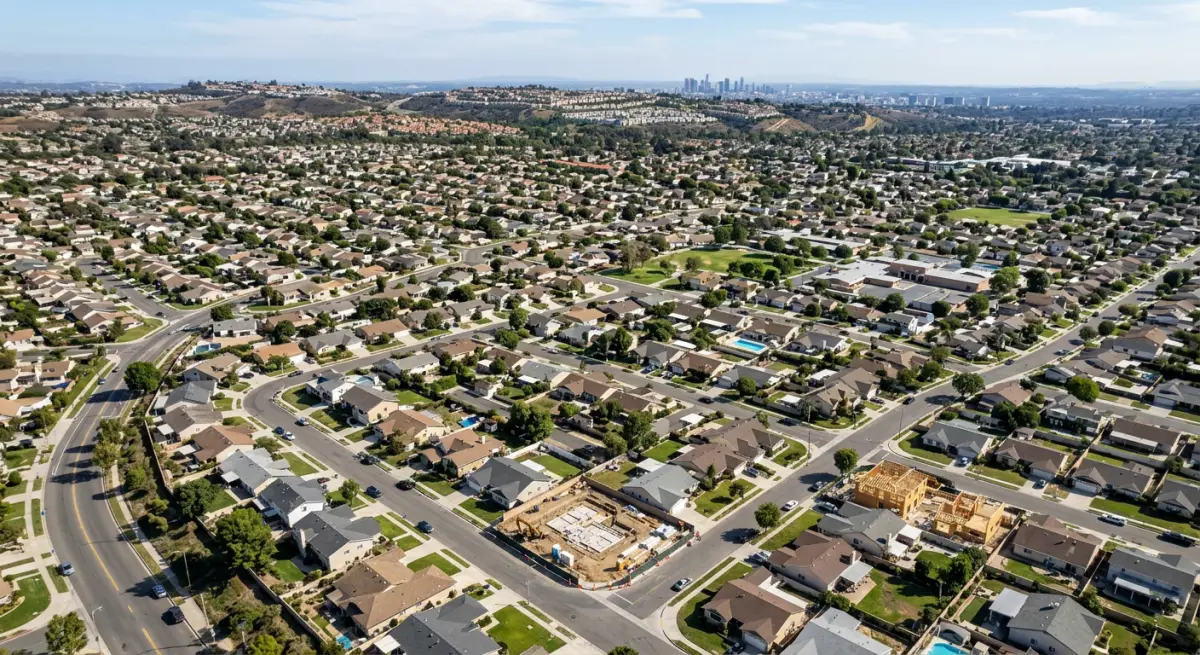
The United States faces a housing supply shortage of approximately 4.5 million units, according to the latest estimates from the National Association of Realtors and the Joint Center for Housing Studies. The gap is widening, not closing, and the implications for the rental market — particularly single-family rentals — are profound.
The Scale of the Deficit
The 4.5 million unit deficit represents the gap between current housing supply and the number of homes needed to meet demand based on population growth, household formation, and replacement of aging stock. To close this gap over a decade, the U.S. would need to build approximately 450,000 additional units per year on top of current construction rates.
Current construction rates:
- Total housing starts in 2025: 1.42 million units (annualized)
- Single-family starts: 980,000 units
- Multifamily starts: 440,000 units
- Additional units needed annually to close the gap: 450,000
Even if construction accelerated by 30%, it would take a decade to close the deficit.
What’s Driving the Shortage
Several structural factors are constraining housing supply:
Zoning and Land Use Restrictions
Single-family-only zoning, minimum lot sizes, and parking requirements prevent the construction of denser housing types in the areas where demand is highest. Cities like Minneapolis, Portland, and Charlotte have reformed zoning to allow more missing-middle housing, but most of the country has not.
Construction Labor Shortage
The construction industry faces a labor shortage of approximately 500,000 workers, driven by an aging workforce, reduced immigration, and declining interest in trades careers. This shortage increases labor costs and extends project timelines.
Material Costs
Construction material costs have risen 35% since 2020 and show no sign of returning to pre-pandemic levels. Lumber, steel, concrete, and electrical components all remain elevated, making new construction more expensive.
Financing Constraints
High interest rates have made construction financing expensive. Many projects that would have been viable at 4% interest rates do not pencil at 7%+, reducing the pipeline of new housing.
Regional Variation
The shortage is not evenly distributed. The most acute deficits are in:
- Sun Belt metros (Atlanta, Dallas, Phoenix, Charlotte): High in-migration has outpaced construction
- Northeast corridors (Boston, New York, Philadelphia): Restrictive zoning and limited land constrain supply
- West Coast (Los Angeles, San Francisco, Seattle): The most severe shortages due to extreme zoning restrictions
Markets in the Midwest and Great Plains generally have more balanced supply, though even these areas are seeing tightening in desirable submarkets.
What This Means for the SFR Market
The persistent supply shortage has several implications for single-family rental operators:
Sustained rental demand: With homeownership out of reach for millions of households due to the supply-driven price increases, rental demand — particularly for single-family product — will remain strong for years.
Rent growth: The supply shortage supports continued rent growth, though at moderating rates (3-5% annually rather than the 6-8% seen in 2024-2025).
Property value support: The supply shortage provides a floor under property values, making SFR a relatively safe long-term investment.
Build-to-rent opportunity: The shortage of for-sale housing creates an opportunity for build-to-rent developers who can deliver single-family living at rental price points.
The Long-Term Outlook
Most housing economists expect the supply shortage to persist through at least 2030. Zoning reform, construction labor development, and material cost normalization are all slow-moving factors. For SFR operators, this means the fundamental demand drivers for single-family rentals will remain in place for the foreseeable future.


